
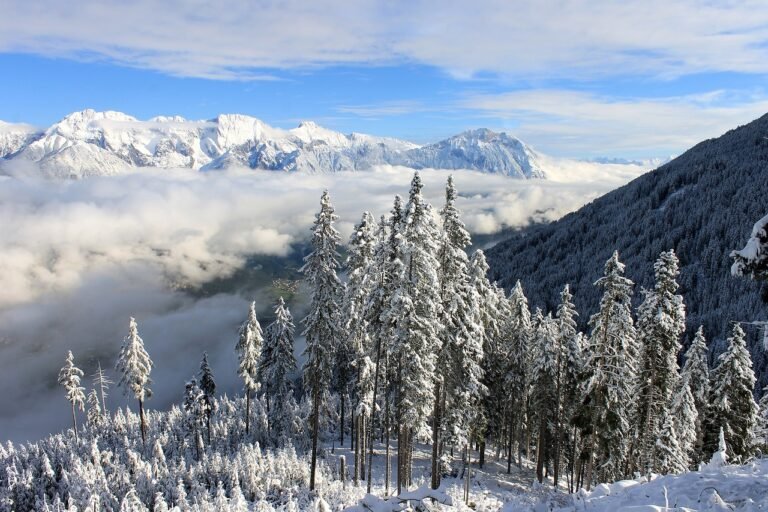
A land of endless beauty, snow-laden peaks, and fairy-tale villages nestled among the towering mountains: such is Switzerland! My travel to the Swiss Alps was more than just another journey; it was that kind of unforgettable experience that had a soothing resonance for my story. Each moment in Switzerland, from the scintillating alpine breeze to the unbroken solitude of the snowy slopes, seemed like a pen-stroke in a dream.
In this thorough travelogue, I shall take you to my snowy odyssey across Switzerland’s most brilliant alpine attractions, with useful advice, secret treasures, and that sort of travel insight that shall inspire your next escape to the heart of Europe. So get your hot mug of cocoa, snuggle in, and let’s discover the majestic Swiss Alps together!
Why Visit the Swiss Alps?
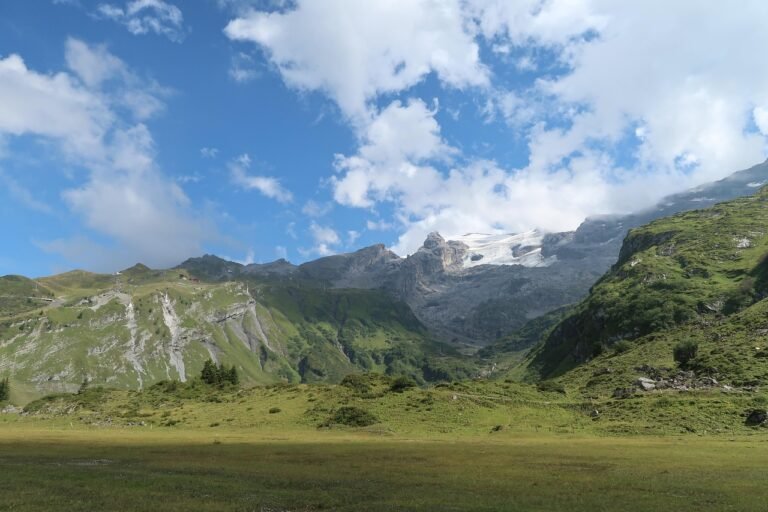
Apart from serving as a winter destination, the Swiss Alps rank as a year-round paradise. Visiting Switzerland in mid-winter, however, seems quite magical. Snow-laden chalets, frozen lakes, and pristine ski trails combine to make the Alps one of the world’s finest winter travel sites.
Be it ski buffs, hikers, or solo travelers, anybody just craving the serenity of nature, Switzerland is a blend of adventure and peace. If you’re after that ultimate snow-capped Instagram aesthetic or a quiet mountain getaway, look no further.
Getting There: The Start of My Alpine Adventure
It all started with Zurich, the largest city in Switzerland and one of the best places to start an adventure into the Alps. Zurich is pretty well connected, international flights coming daily. Then I rested a bit and boarded a Glacier Express train for this wonderful scenic trip from Zermatt to St. Moritz, often referred to as the slowest express train in the world.
Such amazing photo-op stops as deep valleys, appealing wooden bridges, and mountain passes are what you are going to instantly enjoy because such great views would be solely seen through wide glass windows with Swiss hot chocolate at hand.
Zermatt: At the Foot of the Matterhorn
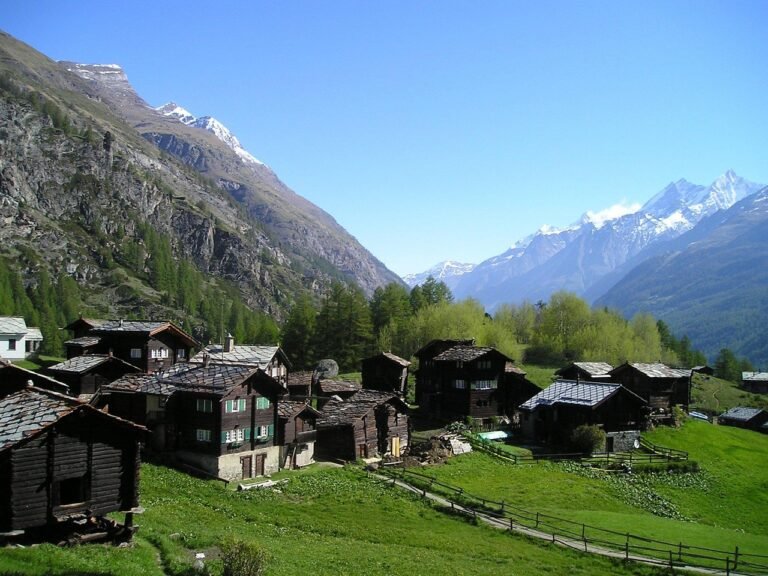
My first port of call was Zermatt, the postcard perfect alpine town sitting right at the base of the iconic Matterhorn. No wonder it is called such, this pyramid-shaped peak is one of the most-photographed mountains in the world. In winter, Zermatt is a snowy postcard paradise.
What to do in Zermatt:
Skiing and Snowboarding: Zermatt boasts some of the best ski slopes in Europe. The trails offer views and runs for everyone, from beginners to elite masters.
Gornergrat Railway: What’s this? It’s a hefty must-do! This cogwheel railway will take you up to 3,089 meters above sea level to a viewing platform facing the Matterhorn.
Explore the Village: Here, there are no cars — only electric taxis or horse-drawn carriages. Strolling through cobbled streets, you will find traditional wooden chalets.
Pro Tip
Stay overnight to see an incredible golden sunrise with the Matterhorn — pure magic.
Interlaken: Between Two Lakes and Beneath the Peaks
From Zermatt, I headed north to Interlaken, a resort town between Lake Thun and Lake Brienz. It is an adrenaline junkie’s paradise and a tranquil retreat, encircled with snow-capped mountains.
Things to Do in Interaken:
Harder Kulm viewpoint: Take a funicular ride to get a panoramic view of the three mighty fellows: Eiger, Mönch, and Jungfrau.
Paragliding: Yes, even in winter! Fly over an amazing snowy landscape, accompanied by experienced guides.
Winter Hiking: There are several winter trails leading to remote huts with astonishing views by the lake.
This is a second city: Lauterbrunnen: The Valley of 72 Waterfalls
Places like these seldom take my breath away, but Lauterbrunnen does. Towering cliffs, frozen waterfalls, and quiet alpine huts make it arguably the prettiest village you could find anywhere in Europe. In winter, the waterfalls bring with them an Air of misty mystery.
I took a train from Lauterbrunnen to Wengen, a car-free village perched on a sunny terrace. The ride was unforgettable. Imagine gliding through a dream valley, where icicles jutted from wooden eaves, and snow was gently falling.
Jungfraujoch: The Top of Europe
For my whole trip, just visiting Jungfraujoch-the highest train station in Europe at 3,454 meters-was the grandest highlight. This “Top of Europe” place presents a panoramic view of the Aletsch Glacier, the longest glacier in the Alps.
Do not miss:
Sphinx Observatory: one of the highest observatories in the world.
Ice Palace: Stroll through ice tunnels filled with crystal sculptures.
Snow Fun Park: enjoy snow tubing or snowboarding on top of a glacier!
Cold, up high, and slightly surreal; but it is one of those once-in-a-lifetime-would-kick-myself-if-I-didn’t experiences.
Grindelwald: A Jewel Hidden in the Swiss Bernese Alps.
I have moved onto Grindelwald; this overshadowed gem has put its neighbours to shame and perhaps is the most beautiful stop on my route. The town is nestled in an undulating valley with steep craggy mountains around it rendering to it one of the best backdrops for quiet reflection.
What Makes Grindelwald Special:
First Cliff Walk: A steel walkway jutting out over the cliffs for dramatic photos.
Toboggan Runs: It is the starting place for one of the longest sledding runs in the Alps.
Quiet Escapes: fantastic for travellers who want to escape the masses and immerse themselves in a cosy, alpine village life.
Grindelwald is like a poem hidden —, waiting for you to listen to, the echoes of mountains themselves.
Swiss Cuisine in the Mountains: Hot, Hearty, and Savory
Food forms an integral part of travel. Traveling in Switzerland-the cuisine is all the more your appetite well- warmed from inside.
These are what I loved most:
Fondue: Melted cheese and bread cubes-say no more
Rösti: Crispy fried potatoes, a great comfort in a long cold day.
Swiss Hot Chocolate: Thick and rich, normally topped with a thick cream.
Älplermagronen: Alpine macaroni with cheese, potatoes, onions, and applesauce!
Make sure to pick up some Swiss chocolate from the local shops-it is worlds apart from anything you will find in supermarkets.
Practical Travel Tips on Exploring the Swiss Alps
When to Visit: December to March is just right for snow activities. The shoulder seasons – November and April are comparatively less crowded, but have only a few areas accessible.
Swiss Travel Pass: Intended for bulb-type unlimited train and bus travel especially for scenic trains.
Accommodation: Book early and especially in Zermatt and Jungfrau areas. Experience authenticity through family-run chalets or alpine lodges.
Weather: Be prepared for cold temperatures and snowstorms. Be always carrying layered clothing and proper boots.
Sustainable Travel in the Alps
Switzerland is a world leader in sustainability. The trains are run on source hydropower, and many of the towns in the Alps are car-free, or only have electric cars. Respect the environment as a traveler:
1.Carry your reusable water bottles (tap water is drinkable everywhere).
2.Avoid wastes in plastic and dispose of them accordingly.
3.Support local businesses and eco-lodges.
In the End: The Echoes I Brought Back with Me
I could not help but think of how personal the experience was as I boarded my return train with the Alps behind me. The snow, the silence, the sweeping views-they remain sounding like an echo in my memory. So much more than a destination, the Swiss Alps serve as a reminder of beauty found by stopping, breathing, and letting the mountains speak for themselves.
To hear the echoes of your own soul, visit the Alps. The mountains call and they never stop whispering.